


Insulation Pipes: The Key to Thermal Efficiency in HVAC, Plumbing, and Industry
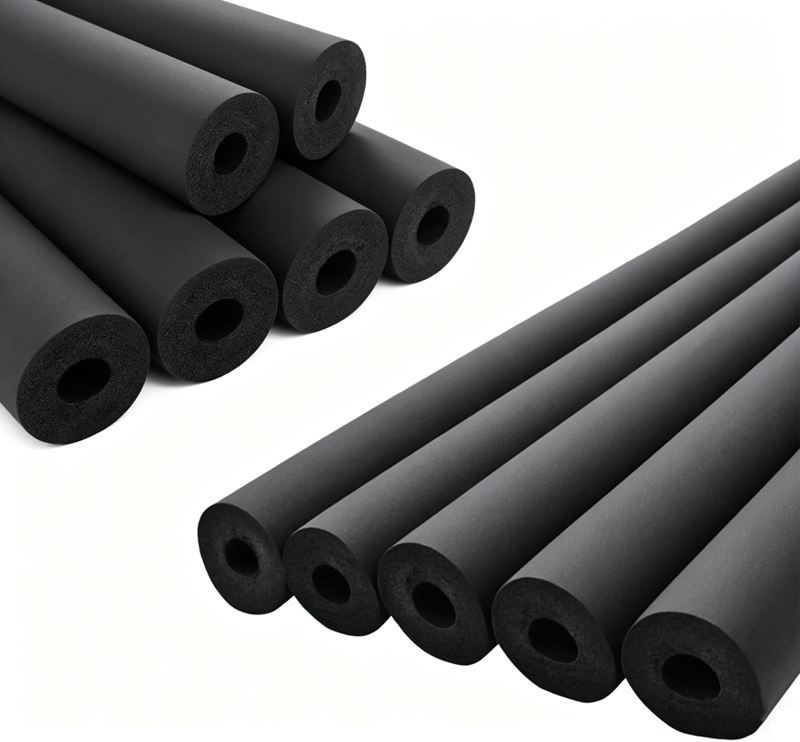
Product Overview: Insulation Pipe
Insulation pipes are typically designed with a thermal insulating layer made from materials such as fiberglass, polyethylene, foam, or rubber. The insulation layer wraps around the pipe to create a barrier that minimizes heat transfer. Insulation pipes come in various sizes and thicknesses, making them suitable for different pipes, from small diameter lines in residential HVAC systems to large industrial pipelines.
Key Features of Insulation Pipes
1. Thermal Efficiency
2. Moisture Resistance
3. Durability:
4. Ease of Installation
Typical Applications of Insulation Pipes
Insulation pipes have a wide range of applications across various sectors:
1. HVAC Systems
2. Plumbing
3. Industrial Applications
4. Refrigeration
5. Construction
Primary Markets for Insulation Pipes
Insulation pipes are essential in several key markets:
1. Residential
2. Commercial
3. Industrial
4. Energy
Industry News and Trends
The insulation pipe market is evolving with several notable trends and advancements, including:
1. Sustainability Focus
2. Technological Advancements
3. Regulatory Developments
4. Increased Awareness
Conclusion
Insulation pipes are an essential part of modern HVAC, plumbing, and industrial systems, helping maintain temperature control, improve energy efficiency, and prevent moisture-related issues. With diverse applications across multiple sectors and ongoing innovations in materials and sustainability, the insulation pipe market continues to grow. For anyone looking to enhance energy efficiency and performance in their systems, investing in high-quality insulation pipes is an astute decision that yields significant long-term benefits.
|
© 2017.eurotape All Rights Reserved. home | about us |products | equipment | contact us web:www.eurotape.cn E-mail: sales@eurotape.cn
|
 |
 |
 |
 |