


Understanding Insulation Sheets
Insulation sheets are essential materials used in various industries to improve thermal performance, enhance energy efficiency, and reduce condensation. Specifically, flexible elastomeric thermal insulators are popular for their impressive insulation properties and versatility. This article delves into the features of these insulation sheets, their typical applications, primary markets, and relevant industry news.
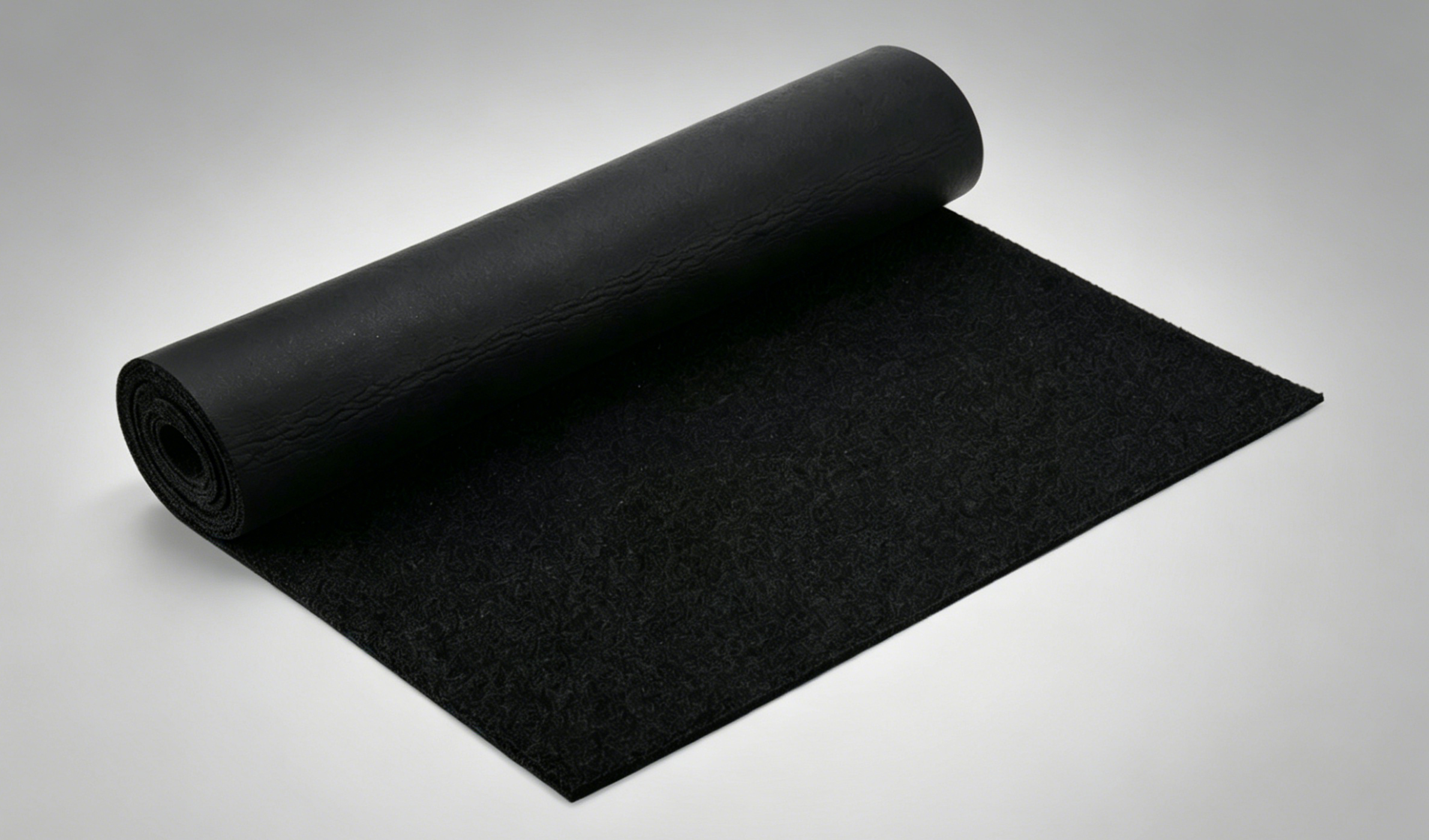
Product Overview: Insulation Sheets
Flexible elastomeric thermal insulation sheets are designed with a smooth skin on one side, forming an outer exposed insulated surface. This design not only enhances the aesthetic appeal but also provides excellent thermal performance. The important specifications for these insulation sheets include:
Higher Use Temperature Limit: 220°F (104°C)
Lower Use Temperature Limit: -40°F (-40°C)
Flame and Smoke Rating: 25/50, indicating low levels of combustibility and smoke production
Water Absorption: 6% by weight, ensuring minimal moisture impact
These properties make elastomeric insulation sheets ideal for a wide range of applications.
Typical Applications of Insulation Sheets
Insulation sheets find utility in various sectors, including:
1. Duct Work Insulation
2. Piping and Fittings
3. Air Handling Units
4. Tanks and Vessels: Insulation sheets are effective in insulating storage tanks and vessels that contain hot or cold fluids, further optimizing energy consumption and preventing thermal shock during temperature fluctuations.
Primary Markets for Insulation Sheets
The demand for insulation sheets spans several key markets:
1. HVAC Industry
2. Construction
3. Industrial
4. Transportation: The automotive and aerospace industries employ these insulation solutions for thermal protection and energy efficiency in various applications.
Industry News and Trends
The insulation sheet market continues to evolve, driven by significant trends:
1. Focus on Energy Efficiency
2. Advancements in Technology
3. Sustainability Initiatives
4. Regulatory Developments
Conclusion
Insulation sheets, particularly flexible elastomeric thermal insulators, play a vital role in enhancing thermal performance across multiple applications. With their excellent temperature resistance, low water absorption, and flame ratings, these insulation solutions are ideal for HVAC systems, piping, and industrial uses. The ongoing trends in energy efficiency, technology, and sustainability are positioning insulation sheets as essential components in modern construction and industrial practices. Investing in high-quality insulation sheets is not only cost-effective but also contributes to a more sustainable and energy-efficient future.
|
© 2017.eurotape All Rights Reserved. home | about us |products | equipment | contact us web:www.eurotape.cn E-mail: sales@eurotape.cn
|
 |
 |
 |
 |